Timber Selection
We work with carefully sourced timber, selecting boards for their grain pattern, color consistency, and structural properties. Each species offers distinct characteristics that influence both appearance and performance.
The selection of timber and finish defines the character and longevity of each piece.
We work with carefully sourced timber, selecting boards for their grain pattern, color consistency, and structural properties. Each species offers distinct characteristics that influence both appearance and performance.
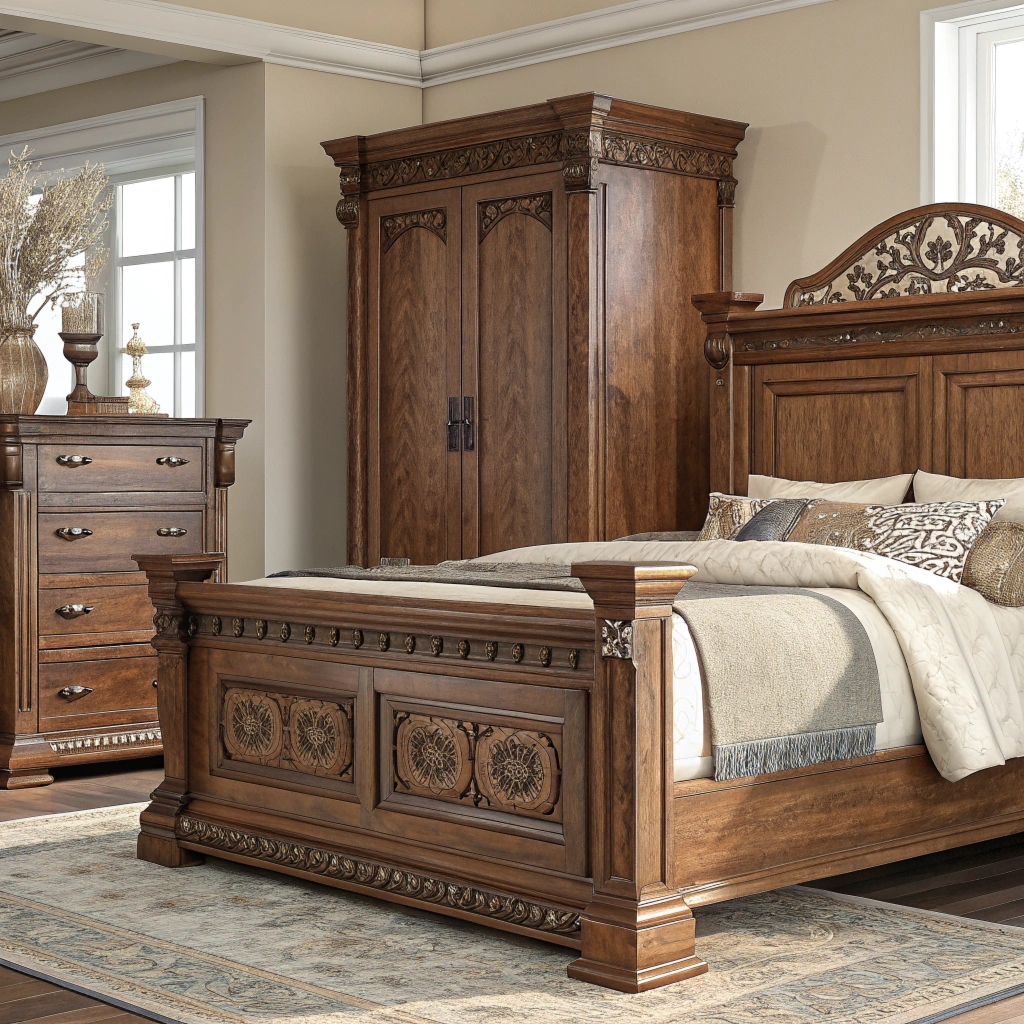
European oak is valued for its strength, durability, and distinctive grain. The wood's natural tannins provide inherent protection, and its open grain texture adds character to finished pieces.
Oak ages beautifully, developing a rich patina over time. It works well for both traditional and contemporary designs, offering versatility in application.
We source oak from sustainable suppliers, selecting boards that show consistent color and interesting grain patterns.
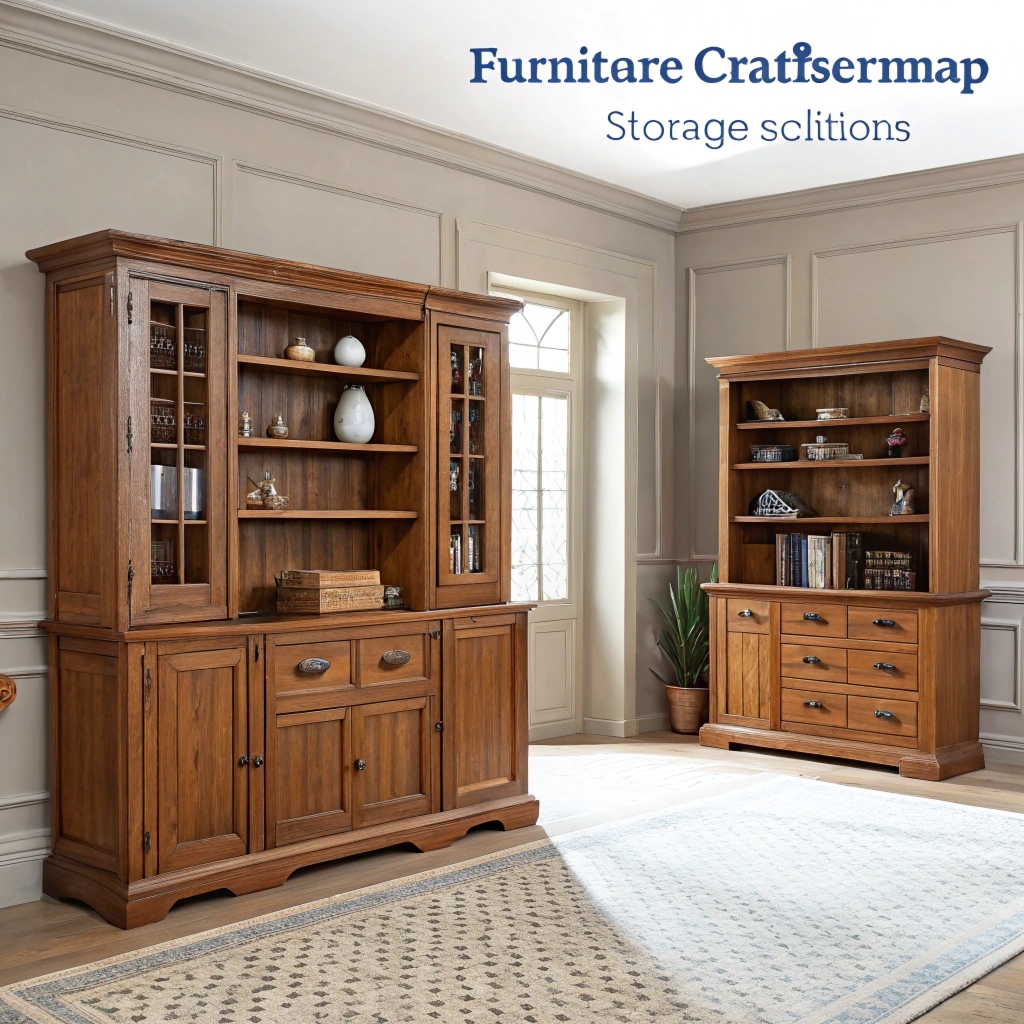
Walnut offers rich brown tones and distinctive grain patterns. The wood's natural variation creates unique character in each piece, with color ranging from lighter browns to deep chocolate tones.
Walnut is well-suited to furniture that benefits from its elegant appearance. It machines cleanly and takes finishes beautifully, allowing grain patterns to be highlighted.
We select walnut boards for color consistency within a piece while appreciating the natural variation that makes each commission unique.
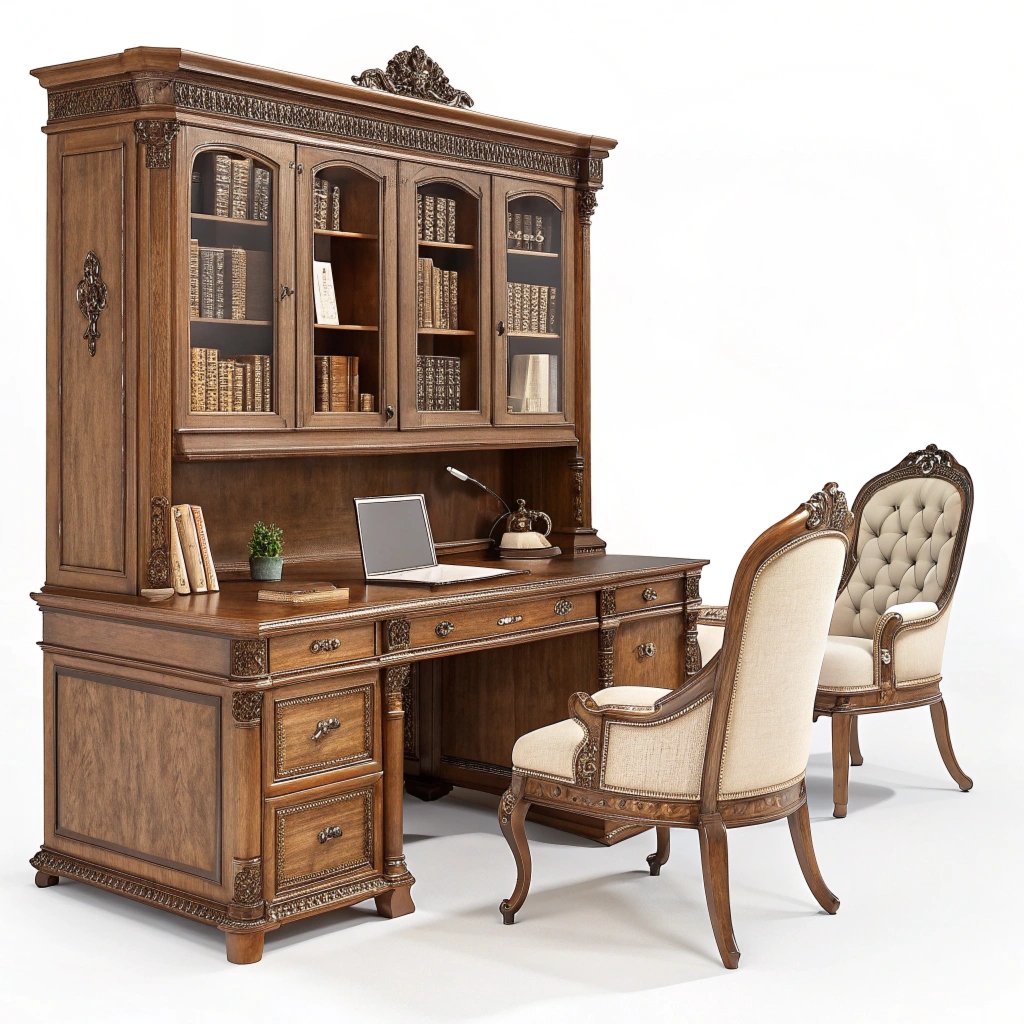
Ash provides a light, contemporary aesthetic with pronounced grain patterns. The wood's pale color and straight grain make it suitable for modern furniture designs.
Ash is strong and flexible, making it ideal for curved elements and structural components. Its consistent texture allows for clean, minimal designs.
We work with both European and American ash, selecting based on the specific requirements of each project.
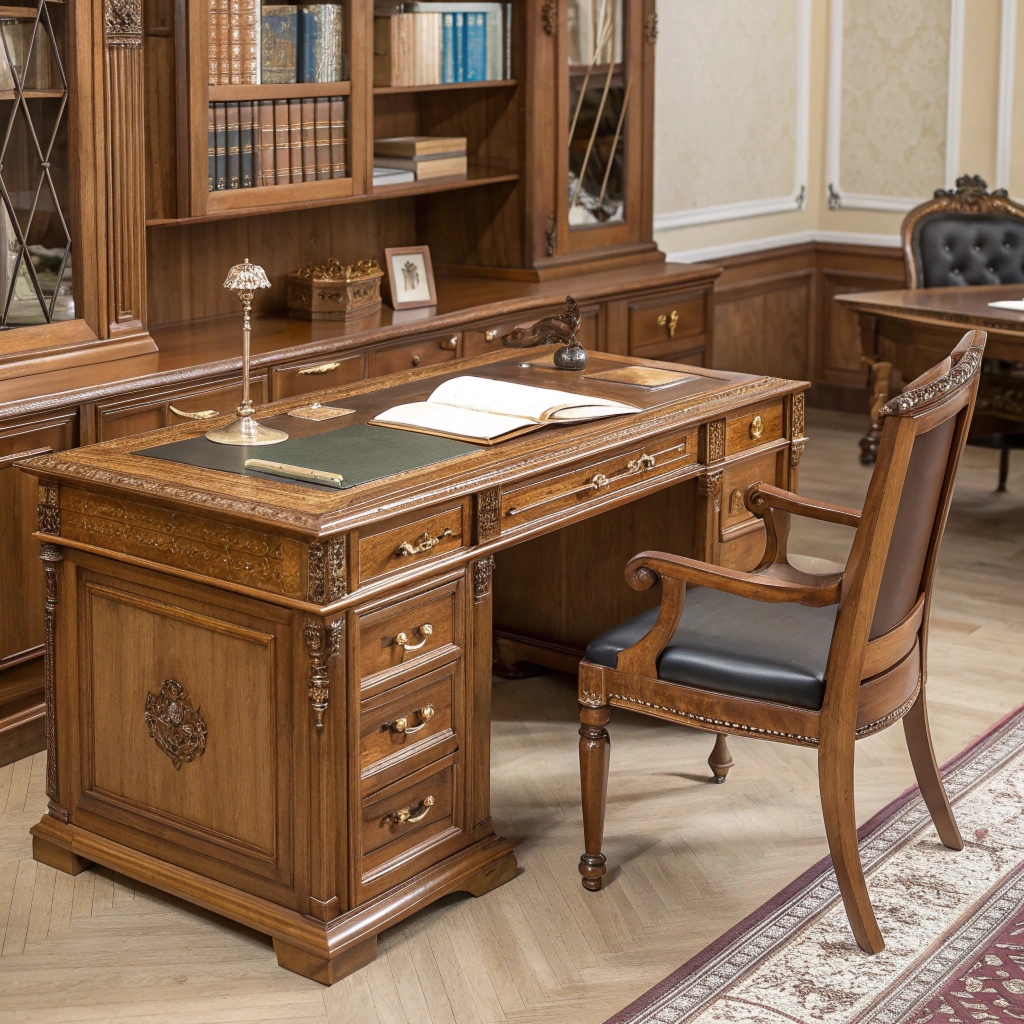
Cherry wood offers warm reddish tones that deepen over time. The wood's fine, uniform grain provides a smooth surface that works well for both traditional and contemporary pieces.
Cherry ages gracefully, developing richer color with exposure to light. This natural aging process adds character to furniture over years of use.
We select cherry for projects where warm tones and smooth surfaces are desired.
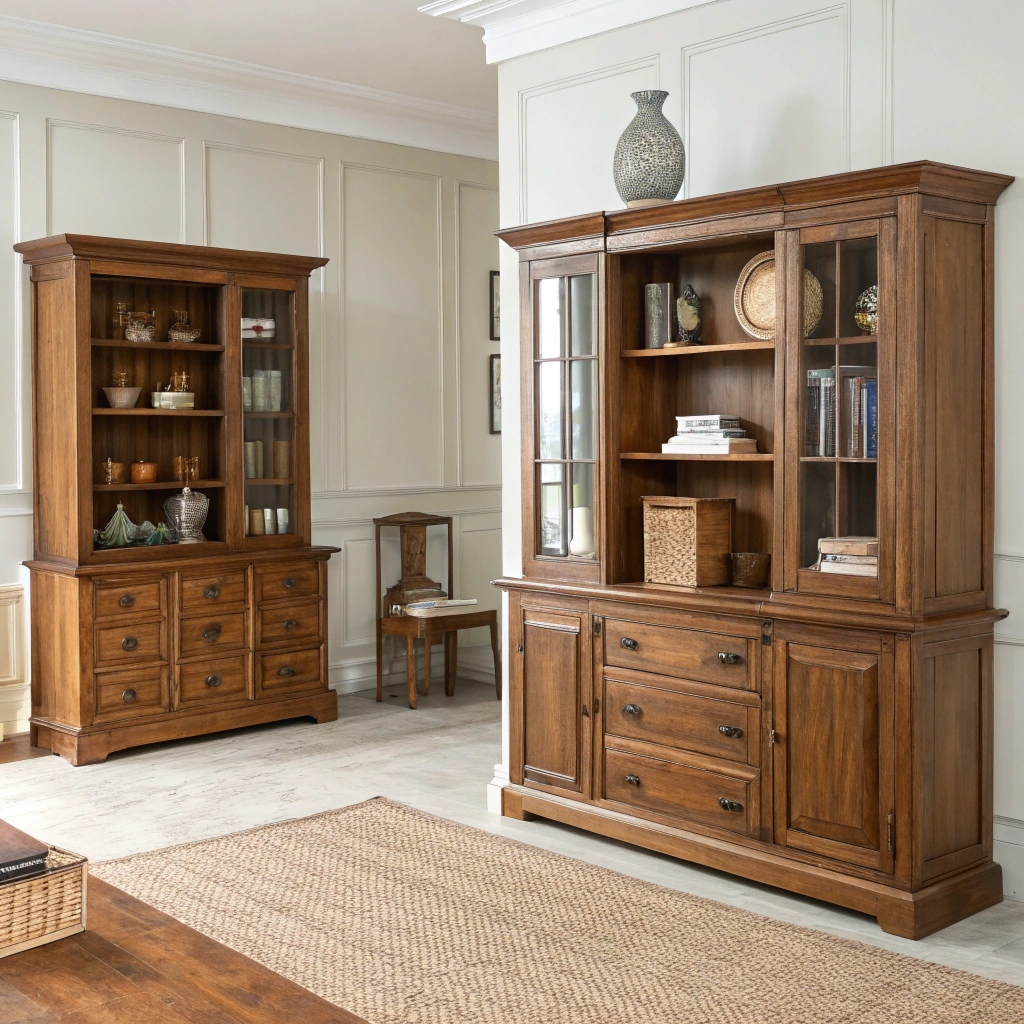
Maple provides a clean, light appearance with subtle grain patterns. The wood's hardness makes it suitable for surfaces that receive regular use.
Maple's consistent color and fine texture allow for minimalist designs where the wood's natural beauty is the focus. It takes both clear and tinted finishes well.
We use maple for projects requiring durability and a light aesthetic.
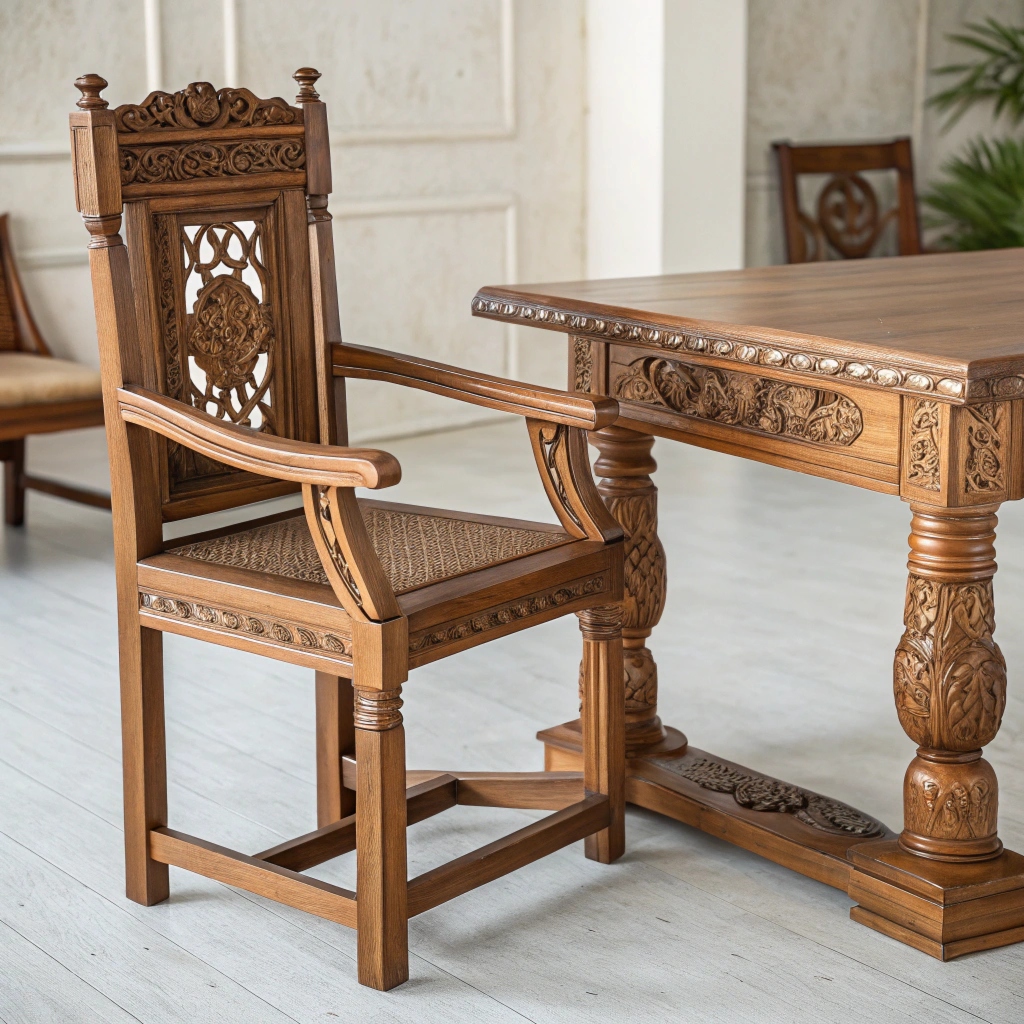
We also work with a range of specialty timbers, including reclaimed wood, exotic species, and locally sourced materials. Each project's requirements guide material selection.
Reclaimed timber offers character and history, with patina and marks that tell a story. Exotic species provide unique colors and grain patterns for distinctive pieces.
Material selection is discussed during the design process, ensuring the chosen timber aligns with both aesthetic and practical requirements.
The finish applied to furniture protects the wood while enhancing its natural beauty. We offer various finish options, each with distinct characteristics and maintenance requirements.
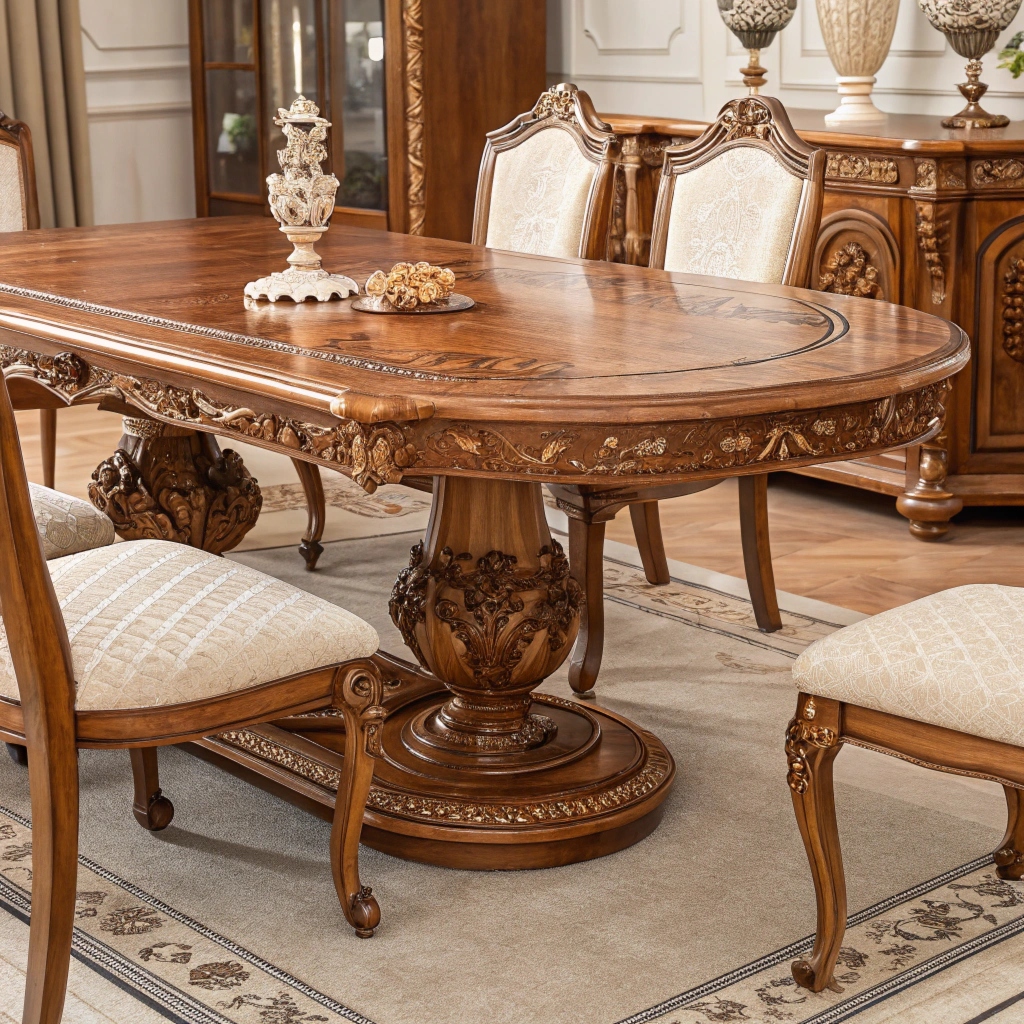
Oil finishes penetrate the wood, enhancing grain while allowing the surface to breathe. They provide a natural feel and can be easily maintained with periodic reapplication.
Oils are suitable for surfaces that benefit from a matte or satin appearance. They age naturally, developing patina over time.
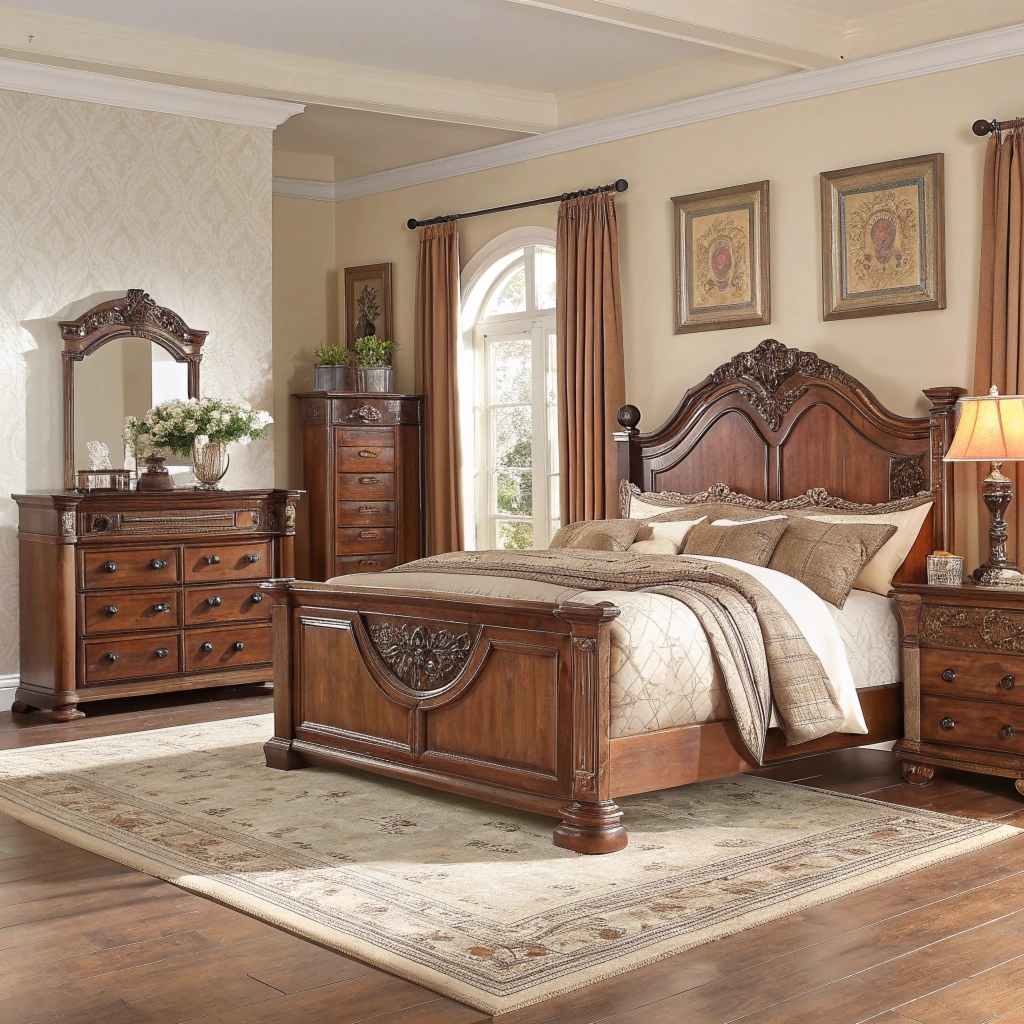
Lacquer provides durable protection with a range of sheen options from matte to high gloss. It forms a protective film that resists moisture and wear.
Lacquer finishes are suitable for surfaces requiring protection from regular use. They maintain their appearance with minimal maintenance.
Wax finishes provide a soft, tactile surface with natural appearance. They offer moderate protection and can be refreshed periodically to maintain appearance.
Wax is suitable for pieces where a traditional, natural feel is desired. It requires more frequent maintenance than lacquer but offers a distinctive character.
Stains can be used to adjust wood color while maintaining grain visibility. They are often combined with protective topcoats to achieve desired appearance and durability.
Staining allows for color matching or creating specific aesthetic effects. The degree of color change can be controlled to preserve natural wood character.
During the design process, we discuss material options in relation to your preferences, the piece's function, and the space it will occupy. Samples are provided so you can see and feel different options.
We consider factors such as color, grain pattern, hardness, and finish compatibility when recommending materials. The goal is to select timber and finishes that align with both aesthetic vision and practical requirements.
Once materials are selected, boards are chosen individually to ensure color consistency and grain pattern harmony within each piece.
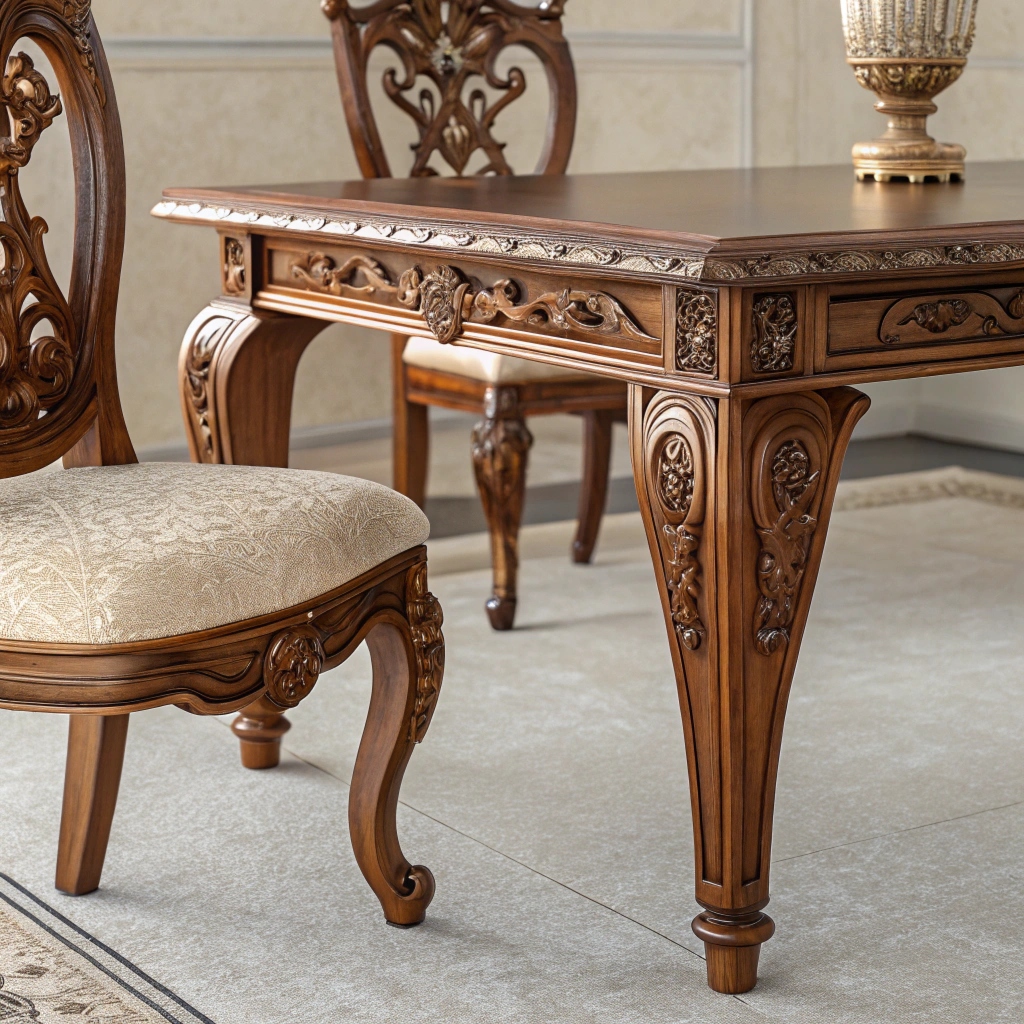
Each wood species has distinctive grain patterns that contribute to its character. Understanding these patterns helps in selecting the right material for each project.
Grain direction affects both appearance and structural properties. We consider grain orientation when designing pieces to ensure both beauty and strength.
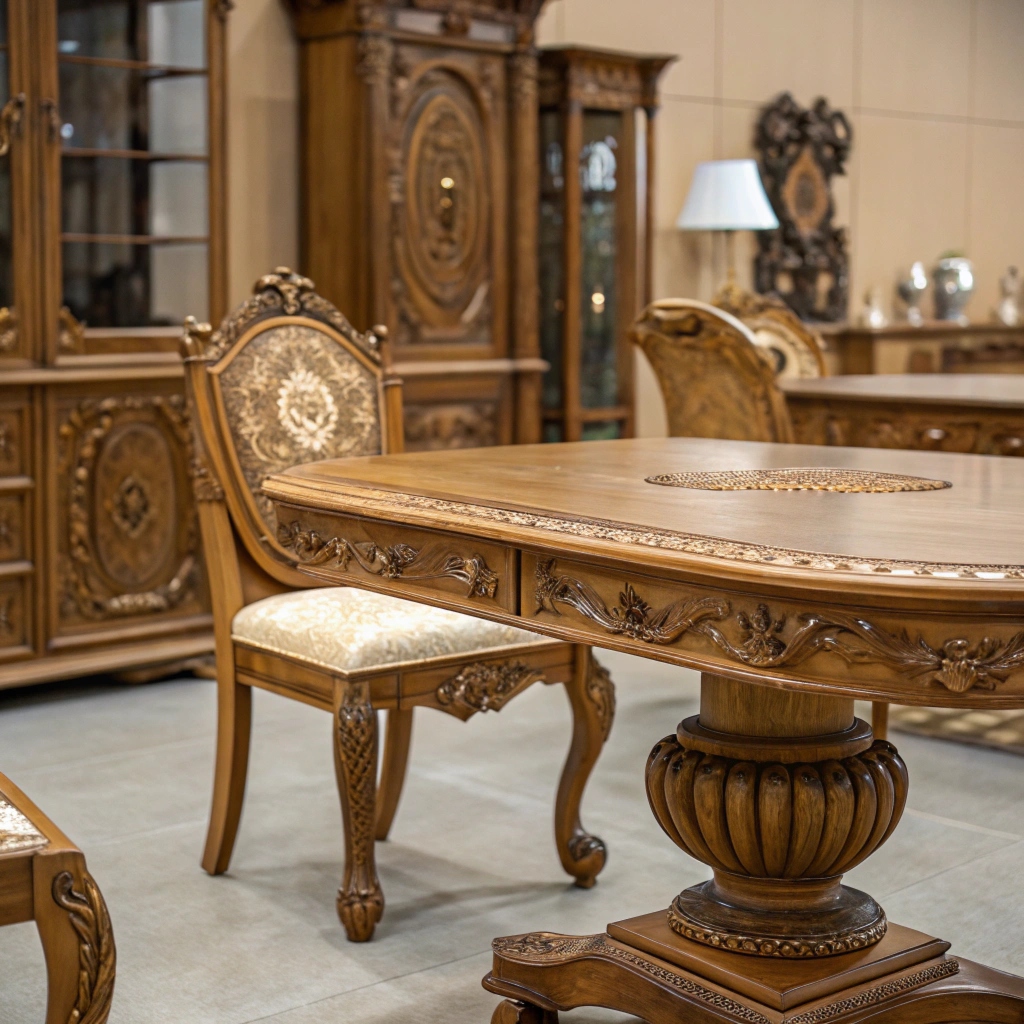
Natural wood exhibits color variation both within and between boards. This variation adds character but requires careful selection for consistency.
We work with this natural variation, selecting boards that complement each other while appreciating the unique character each piece of wood brings.
Oil finishes are ideal for furniture that benefits from a natural, matte appearance. They require periodic maintenance but offer a traditional feel.
Lacquer provides durable protection for high-use surfaces. It offers various sheen levels and requires minimal maintenance.
Stains allow for color adjustment while maintaining wood character. They can be combined with protective topcoats for durability.