Arttrustworthyhi

Care & Maintenance

Guidance on preserving the beauty and function of your bespoke furniture.

General Care Principles

Bespoke furniture, when cared for properly, will serve and delight for generations. The following guidance applies to most furniture pieces, with specific recommendations depending on the finish applied.

Regular care is preferable to intensive maintenance. Simple, consistent attention to your furniture will help maintain its appearance and function over time.
Cleaning

Dust furniture regularly with a soft, lint-free cloth. For surfaces with finishes, a slightly damp cloth can be used, followed by drying with a clean cloth.

Avoid harsh chemicals or abrasive cleaners, as these can damage finishes. Mild soap solutions can be used sparingly if needed, but should be followed by thorough drying.

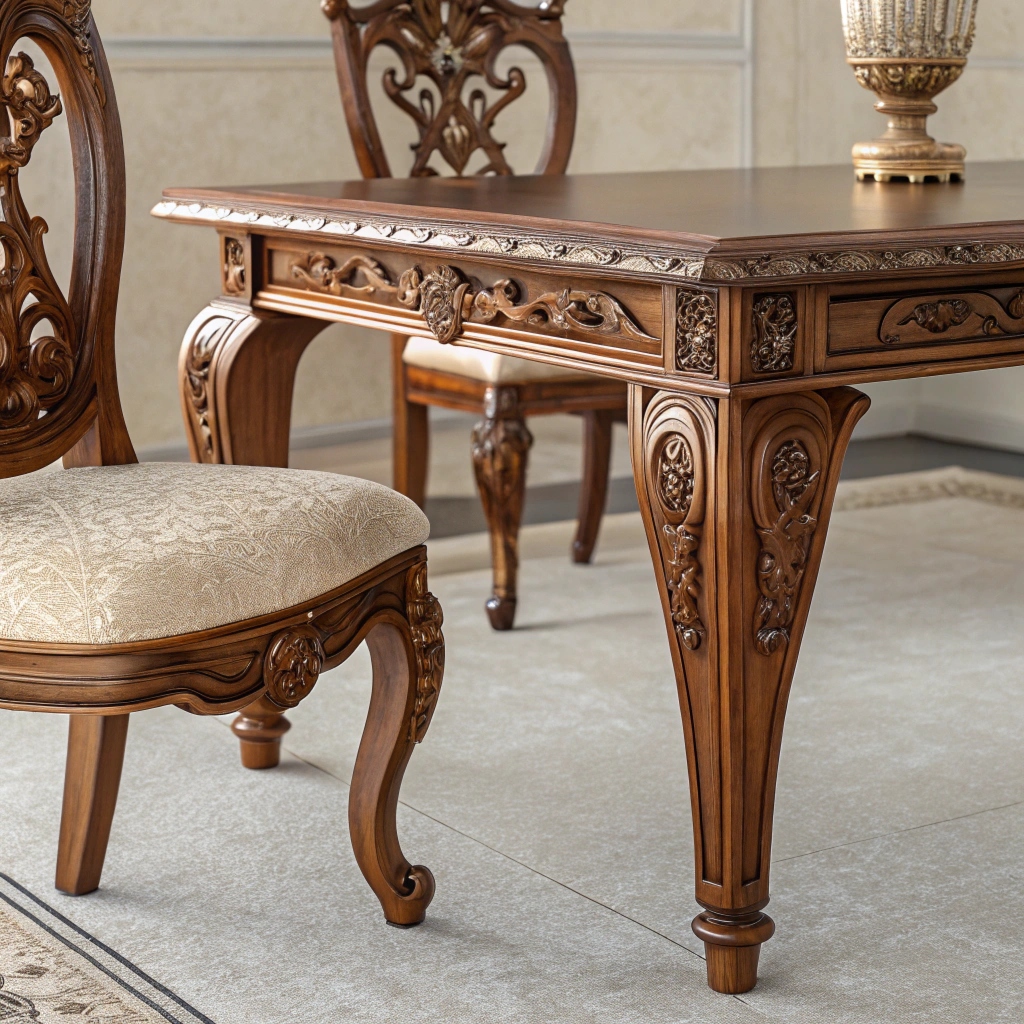
For detailed areas or carvings, a soft brush can help remove dust from crevices. Take care not to apply excessive pressure that might damage delicate elements.

Protection from Damage

Use coasters or placemats under glasses and dishes to protect surfaces from moisture and heat. Hot items should not be placed directly on wood surfaces.

Avoid placing furniture in direct sunlight, as this can cause fading and potential damage over time. If sunlight exposure is unavoidable, consider window treatments to reduce intensity.

Maintain consistent humidity levels where possible. Extreme changes in humidity can cause wood to expand or contract, potentially leading to issues with joints or finishes.

Moving & Handling

When moving furniture, lift rather than drag to avoid damaging legs or feet. If furniture must be moved, ensure it's lifted properly and that pathways are clear.

For heavy pieces, consider professional assistance. Proper handling protects both the furniture and those moving it.

Check that furniture is level after moving, adjusting feet or supports as needed to ensure stability.

Regular Inspection

Periodically inspect furniture for signs of wear or issues. Loose joints, damaged finishes, or other concerns are best addressed early.

Check that drawers and doors operate smoothly. If mechanisms become stiff or difficult to operate, this may indicate a need for adjustment or maintenance.

Address minor issues promptly to prevent them from developing into more significant problems.

Finish-Specific Care

Different finishes require different care approaches. The following guidance applies to common finish types.

Oil Finishes

Oil-finished surfaces benefit from periodic reapplication of oil. This maintains protection and appearance. Frequency depends on use and exposure.

Before reapplying oil, clean the surface thoroughly and allow it to dry. Apply oil according to manufacturer instructions, removing excess and allowing proper curing time.

Oil finishes develop patina over time, which is part of their character. This natural aging adds to the furniture's appearance.

Lacquer Finishes

Lacquer-finished surfaces require less frequent maintenance. Regular dusting and occasional cleaning with a damp cloth are usually sufficient.

If the finish becomes damaged, professional refinishing may be required. Minor scratches can sometimes be addressed with appropriate products, but care should be taken to match the original finish.

Lacquer provides durable protection but can be sensitive to certain chemicals or excessive moisture.

Wax Finishes

Wax-finished surfaces benefit from periodic rewaxing to maintain protection and appearance. Frequency depends on use and preference.

Before applying new wax, clean the surface and remove old wax if it has built up. Apply wax sparingly and buff to achieve desired sheen.

Wax finishes offer a traditional feel and can be maintained with regular attention.

Long-Term Maintenance

Over time, furniture may require more significant maintenance such as refinishing or joint repair. These tasks are best handled by experienced professionals who understand the materials and construction methods used.

We're available to discuss maintenance needs for pieces we've created. We can provide guidance on care, recommend maintenance approaches, or undertake repairs or refinishing as needed.

Proper care and occasional professional maintenance will help ensure your furniture continues to serve and delight for many years.

Maintenance Schedule

Daily Care

Simple daily care includes dusting with a soft cloth and keeping surfaces clean. Avoid placing hot items directly on wood surfaces.

Use coasters or placemats to protect from moisture and heat. Regular attention prevents the need for more intensive maintenance.

Daily care routine

Periodic Maintenance

Depending on the finish, periodic maintenance may include reapplying oil, rewaxing, or professional refinishing. Frequency depends on use and exposure.

We can provide guidance on maintenance schedules specific to your furniture and finish type.

Periodic maintenance
Furniture care guide

Professional Services

For more significant maintenance needs, we offer professional services including refinishing, repair, and restoration.

Our knowledge of the materials and construction methods used in your furniture allows us to provide appropriate care and maintenance.

Contact us to discuss maintenance needs or to schedule professional service for your furniture.

Care Resources

Care instructions

Care Instructions

Detailed guidance provided with each piece

Maintenance support

Ongoing Support

Available to answer care questions

Professional service

Professional Service

Refinishing and repair services available

Product recommendations

Product Recommendations

Guidance on care products to use

Questions About Care?

If you have questions about caring for your furniture, or if maintenance is needed, we're here to help.

Contact Us